Electricity powers almost everything we do: from the lights in our homes to the appliances in our workplaces. But when you start hearing terms like watts, amps, and volts, things can get confusing pretty quickly.
Don’t worry, you don’t need to be an electrician to understand the basics. Knowing what these three mean can actually help you make smarter choices about your appliances, save on energy bills, and keep your home safe.
At Integrity Electrical South West, we believe that an informed customer is a safer, happier customer. So here’s our easy guide to watts, amps, and volts.

What’s the Difference Between Watts, Amps, and Volts?
Think of electricity like water running through a hose:
⚡️ Volts (V) = the water pressure (the push that moves electricity through the wires).
⚡️ Amps (A) = how much water is flowing (the volume of electricity moving).
⚡️ Watts (W) = how much work is being done (the end result — like watering the garden or filling a bucket).
And here’s the simple formula that ties them all together:
Watts = Volts × Amps
Watts (W): Power in Action
Watts tell you how much energy an appliance is using. The higher the watts, the more electricity it consumes.
Everyday examples:
⚡️ A standard light bulb = about 60W
⚡️ A space heater = around 1,500W
⚡️ A laptop = 45–100W
Amps (A): The Flow of Electricity
Amps measure how much current is moving through your wires. This is really important for safety — too much current on a circuit can cause overheating and even fire hazards.
Common examples:
🔌 Phone charger = ~1A
🔌 Toaster = ~12A
🔌 Clothes dryer = ~15A or more
This is why electricians make sure the right-sized circuit breakers and wires are installed for each area of your home.
Volts (V): The Electrical Push
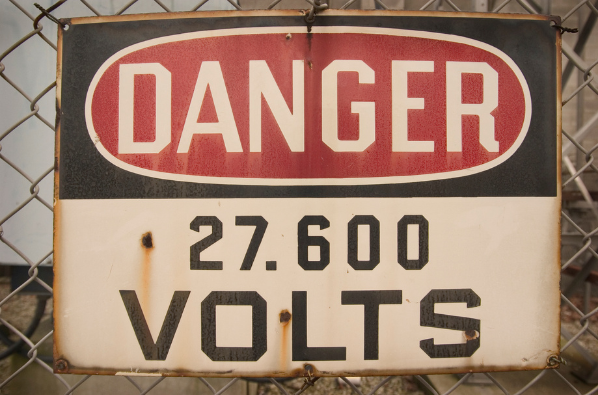
Voltage is the “pressure” that pushes electricity through the circuit. Here in Australia, the standard household supply is 230V.
Some appliances like laptops or phones use much lower voltages, often 5–20V, thanks to adaptors that safely convert the current.
How They Work Together
Let’s put this into perspective with an example:
A 60W light bulb running on 230V power will draw about 0.26A (60 ÷ 230).
This simple relationship helps electricians (and you) understand how much load is on a circuit and whether it’s safe.
Why Does This Matter for You?
Understanding these basics can help you:
Choose appliances wisely: Check the wattage so you know how much power they’ll use.
Avoid overloaded circuits: Too many high-amp appliances on one circuit can trip breakers or cause hazards.
Save money and energy: Lower-wattage, energy-efficient options (like LED lights) reduce bills.
Spot small issues: If a breaker keeps tripping, it could mean an overload — knowing about amps and watts can help you spot the cause.

Safety First
A few golden rules when it comes to electricity:
✅ Never overload power boards or circuits.
✅ Always use the right circuit protection (fuses/breakers).
✅ Surge protectors are a must for sensitive electronics.
✅ Leave the big jobs to qualified electricians.
Your Local Electrical Experts in the South West
At Integrity Electrical South West, we take the guesswork out of electrical work. Whether it’s installing energy-efficient lighting, upgrading your switchboard, or making sure your circuits are safe, our team brings experience, professionalism, and local know-how.
Need help with your home or business? We’re just a call away — and we offer obligation-free quotes and flexible payment options via Zip.
Get in touch today to chat about your electrical needs.

